Conflict on Stage: A dramaturgical inquiry into the potential of conflict in policymaking – PhD defence Lisa De Roeck – 5 November 2026
On the 5th of November 2026 Lisa De Roeck will defend her PhD titled: Conflict on Stage: A dramaturgical inquiry into the potential of conflict in policymaking. The public defense will take place at: Promotiezaal Grauwzusters, Lange Sint-Annastraat 7, 2000 Antwerpen. The defense will be followed by a reception. All welcome to join!
Abstract of the research
Through dramaturgical approaches, this research scrutinizes how conflict is experienced and handled within urban transformations and how the space for conflict in policymaking can be altered. Focusing on the micro-dynamics of policymaking, this research investigates how stakeholders experience conflicts, how they make sense of them, speak about them, enact and express them, through which means this happens and what this does with the space for conflict.
By studying participatory moments as performances, the research demonstrates how policy conflict is often minimized and guided to unfold in a particular way. Even though conflict is at times allowed or welcomed, this is often without much effect, as it must fit within the scope that has been determined by those in control of the scripting and the staging of these moments. The same goes for conflict among actors that are part of the same collaborative governance arrangements. Although there are practices that, in theory, allow or facilitate conflict, when disagreement arises, it is reacted upon as unwelcome or unaccounted for, which is discursively and dramaturgically enacted. The research also highlights the importance of emotions when studying policy conflicts but also demonstrates a risk when attributing emotions to others during episodes of policy conflict and how this can become performative. Through this attribution and the way emotions are explained, boundaries are created between groups in conflicts, with some becoming more legitimate than others, while simultaneously detaching the emotions from policies.
Moving beyond studying policy conflict, the research wants to contribute to expanding the space for conflict in policymaking. It does so by building upon agonistic democratic theory, combined with a dramaturgical approach. An exploration of how current practices of collaborative governance can be reconfigured, in line with agonistic ideals, is therefore offered, highlighting a more emotional engagement in it.
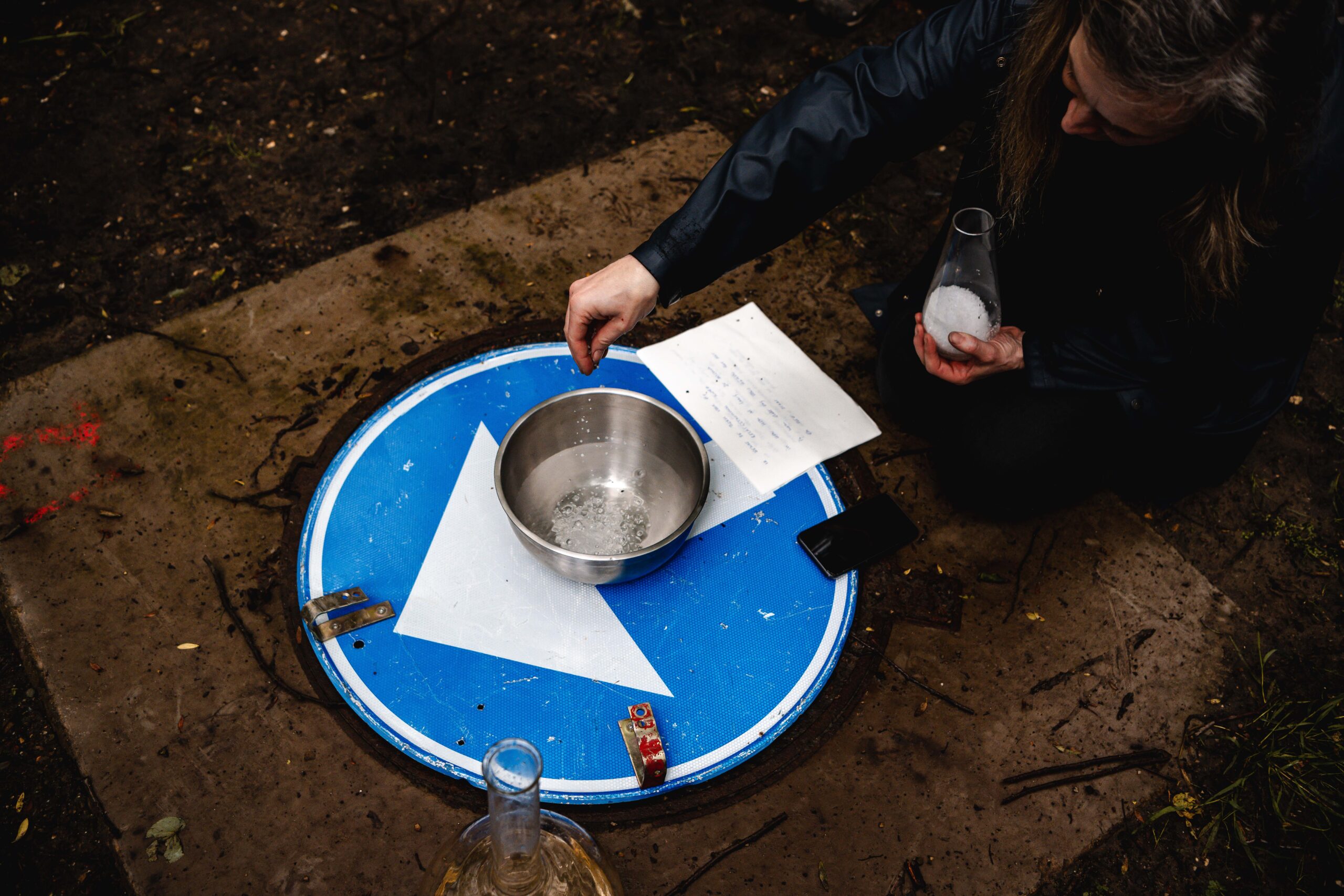
The research also explores how to allow conflict and agonistic principles, through executing and evaluating different dramaturgical interventions within an urban transformation case, as part of an Urban Drama Lab. This is a novel participatory approach in urban policymaking, using theatre-based methods. Overall, these dramaturgical interventions show the importance of reconfiguring the entire dramaturgy of policymaking whereby emotions and spatiality are put central and on stage, with the help of arts-bases practices, allowing for conflict and contestation to arise within policy processes.
Supervisors: Wouter Van Dooren, Pascal Gielen, Esther van Zimmeren